
Last year, a friend almost wired $14,000 to a "crypto advisor" she met on Instagram. The website looked real. The dashboard showed her balance growing. The support agent was polite. Everything checked out — until she tried to withdraw.
That's the moment most people learn how the modern scam economy works. By then, the money is already gone.
We built GACS so nobody has to learn it that way again.
The problem is bigger than people realize
Scams aren't sketchy emails from a "prince" anymore. They're polished apps, cloned brokers, AI-generated love interests, rug-pulled tokens, and pig-butchering schemes that take months to set up.
- The FBI's IC3 logged over $5.6B lost to crypto scams in 2024 alone.
- The average victim loses more than $80,000 — often life savings.
- Most victims aren't "tech-illiterate." They're doctors, engineers, retirees, parents. The scams are just that good.
The tools to *check* whether something is a scam, on the other hand, were stuck in 2015 — slow, ugly, paywalled, or just plain wrong. So we built the one we wished existed.
What GACS actually does
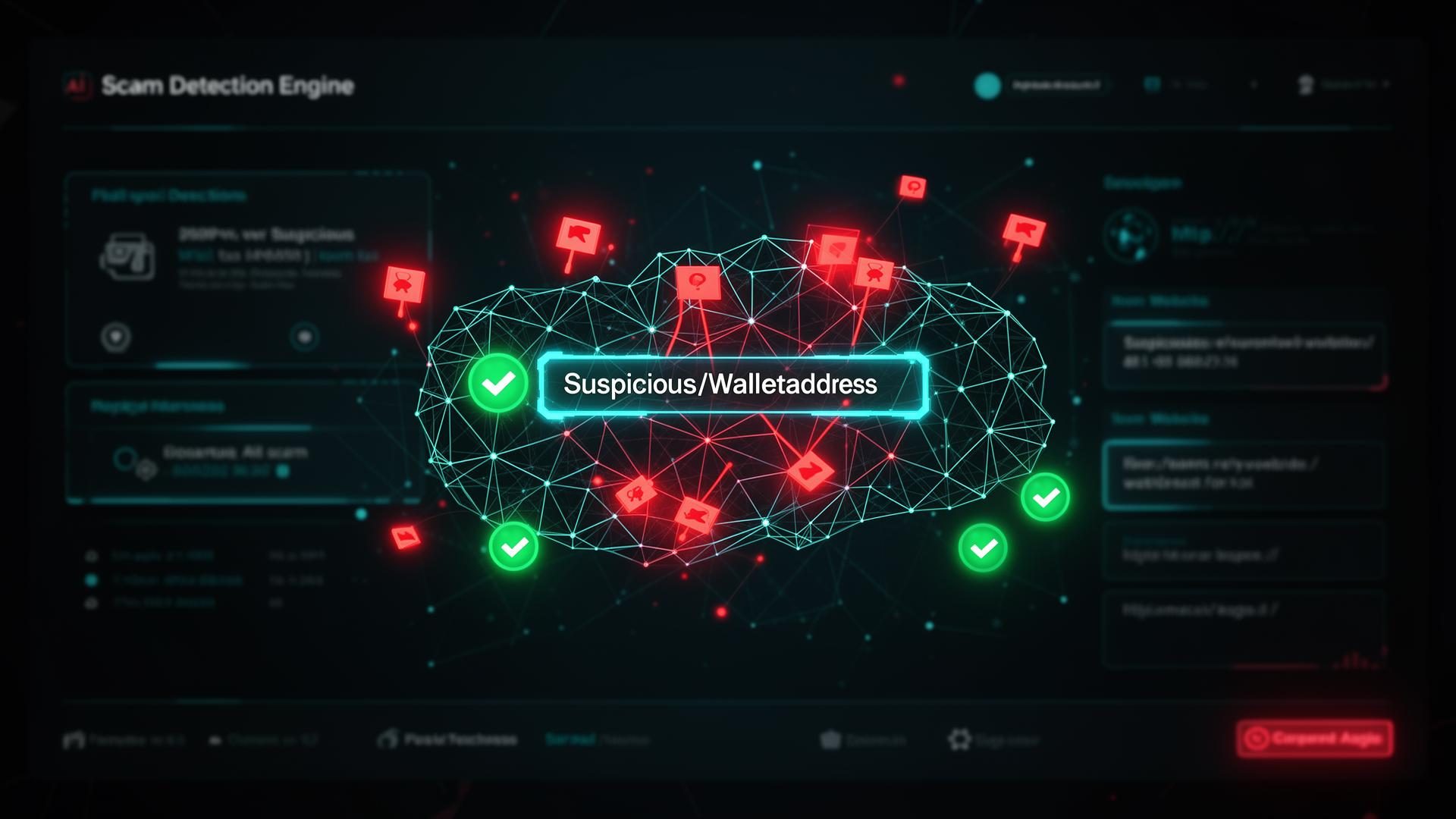
GACS is a free, instant scam scanner. Paste in any of the following and get a verdict in seconds:
- A website URL — "is this exchange real?"
- A crypto wallet address — "has this BTC/ETH/SOL/USDT-TRC20 address been reported?"
- A social handle — "is this 'trader' on X / IG / Telegram legit?"
- An email or phone number
- A screenshot of the message you just received
Under the hood it combines four layers:
- A community-reported blacklist of confirmed scam entities
- An AI pattern-scoring engine trained on thousands of real scam playbooks
- On-chain analysis for wallet behaviour — mixers, drain patterns, known clusters
- Domain forensics — age, SSL, hosting, clone-detection against real brands
It doesn't just say *"this looks risky"* — it tells you *why*, with evidence you can show to a worried family member. Start at the Safe Scanner, or if money has already moved, jump straight to the Panic Guide.
How it's helping people, in real terms
People use GACS every day for things like:
- Checking a "job offer" before sending their passport
- Verifying an "investment platform" before depositing
- Confirming a Telegram admin is the *actual* admin, not a clone
- Looking up a romantic interest who suddenly wants to "teach them to trade"
- Vetting a token contract before connecting their wallet
- Reporting a scammer so the next person who searches that address gets warned instantly
That last one is the quiet magic. Every report compounds. The more people use it, the smarter and faster it protects the next person who's about to click "send."
Why it's free — and why we need your help

We made GACS free on purpose. Scam victims aren't in a position to pay a subscription to find out they're being scammed. Charging at the door would defeat the entire point.
But running an AI-powered scanner, an on-chain analysis pipeline, and a 24/7 community blacklist costs real money. We've kept it lean — no investors, no ads, no selling your data. Just a small team and a public-good mission.
If GACS has ever saved you, a friend, or a family member from losing money — please consider donating, sharing, or contributing a report. Every dollar keeps the lights on. Every share puts the tool in front of someone who needs it *before* they click "send."
Scammers scale with technology. It's time the rest of us did too.
If this article helped you, share it. The person who needs it most probably hasn't been scammed yet.


