
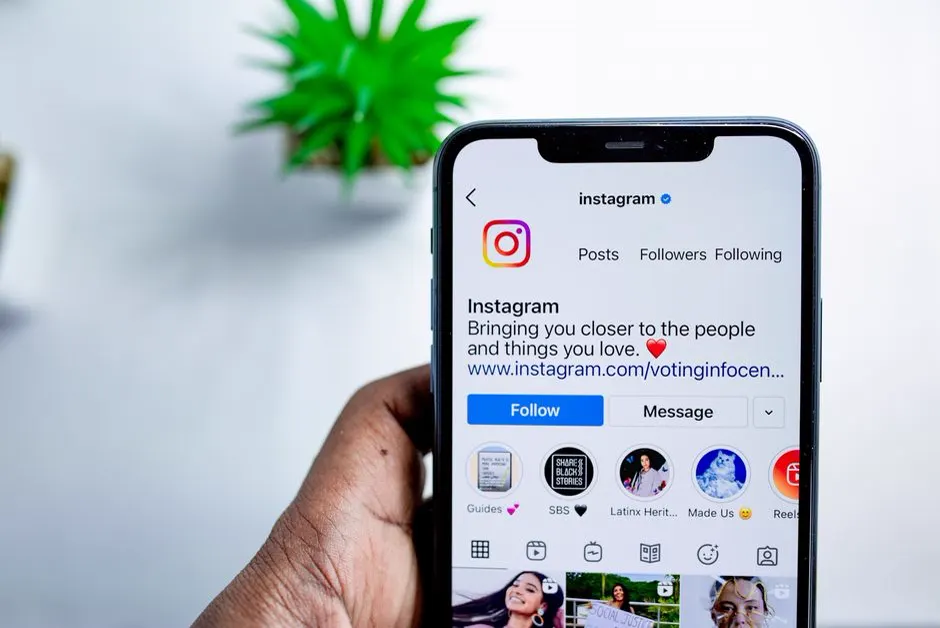
If you have ever watched a creator gain 50,000 followers overnight and wondered whether it was real, you were probably right to be suspicious. Do influencers buy followers? The answer is yes, and it happens far more often than most people assume. What looks like overnight success is frequently a transaction, not a breakthrough.
Table of Contents
- The Short Answer—Yes, and It's Widespread
- Why Do Influencers Buy Followers?
- How to Spot Fake Followers—Red Flags That Work
- Why Buying Followers Backfires
- What This Means for Brands, Creators, and Families
- The Bottom Line
This guide will walk you through exactly how widespread the practice is, why influencers risk it, and how to spot fake followers across Instagram, TikTok, X, and YouTube. By the time you finish reading, you will have a clear set of detection methods you can use today, whether you are a brand vetting a potential partner, a creator protecting your industry, or a family member trying to figure out if an account asking for money is legitimate.
You are not paranoid. You are paying attention. And that attention is your best defense.
The Short Answer—Yes, and It's Widespread
The question is not whether influencers buy followers. The question is how many of them do it and how much of the internet is fake because of it.
The numbers are stark. A 2021 Statista report, widely cited by industry analysts, found that 49 percent of Instagram influencers had purchased followers. That is nearly half of all influencers on the platform. A Forbes Tech Council study from September 2022 added more detail: one in four influencers bought fake followers, and those buyers padded their audience by roughly 15 percent. Three out of four of those buyers purchased more than 10,000 followers at once.
Photo by MART PRODUCTION on Pexels
The practice is not new. It dates back to around 2013, when influencer marketing first scaled and follower counts became a currency. What changed is how cheap and accessible it became. Buying 15,000 Instagram followers costs as little as $160. For less than the price of a dinner out, an account can look ten times more influential than it actually is.
The scale of the deception has real financial weight. Fake followers cost brands an estimated $1.3 billion in wasted spending in 2019 alone, according to HypeAuditor data. That number has almost certainly grown since then, as influencer marketing budgets expanded and detection tools raced to catch up.
Why Do Influencers Buy Followers?
Understanding the motivations does not excuse the behavior. But it does help you recognize the pattern, and recognition is the first step toward protection.
Social Proof and the Credibility Trap
A large follower count signals authority. It always has. When someone sees an account with 200,000 followers, their brain makes a split-second calculation: if that many people trust this person, they must be worth trusting. Brands make the same calculation. Algorithms do too.
New creators face a brutal chicken-and-egg problem. Without followers, they cannot land brand deals. Without brand deals, they struggle to grow an audience. Buying followers looks like a shortcut out of that trap. It creates the appearance of momentum, which can attract real followers who assume the crowd already knows something they do not.
Photo by Sanket Mishra on Pexels
The trap is that the appearance is hollow. Bots do not buy products. They do not share content. They sit there, inflating a number that means nothing, while the creator builds a reputation on sand.
Brand Deal Pressure
Influencer pay rates often scale directly with follower count. Many agencies and brands set hard thresholds: 10,000 followers to enter a campaign, 100,000 for a higher tier, and so on. The number becomes a gatekeeper, and creators who are close to a milestone feel enormous pressure to cross it.
When a brand filters by follower count before ever examining engagement, the incentive to inflate that count is obvious. The system rewards the appearance of reach, not reach itself. Until that changes, the pressure to buy will remain.
Ego and Status
Follower counts are public. They are a visible scoreboard, and everyone can see where they rank. Some influencers buy followers to outpace peers, to look more successful than they are, or to quiet the voice in their head that says they are falling behind.
The psychological reward is immediate. A number goes up. A milestone is hit. The dopamine hits, and the long-term cost feels distant and abstract. But that cost is real, and it compounds.
How to Spot Fake Followers—Red Flags That Work
You do not need expensive software to detect most fake followers. You need a skeptical eye and a few simple checks. Here is what to look for.
The Engagement Rate Test
Engagement rate is the single most revealing metric. It measures how many people interact with content relative to the total follower count. Real audiences engage. Fake ones do not.
As of 2026, the benchmarks remain consistent with what researchers have observed for years. Accounts with over 100,000 followers average just 0.95 percent engagement. Accounts with fewer than 5,000 followers average 4.21 percent. If a large account shows engagement far below 0.95 percent, something is wrong. If it shows engagement far above what is normal for its size, that is also a red flag: likes and comments that exceed post impressions indicate inflated engagement, not genuine popularity.
To run this test, take the average likes and comments across an account's last ten posts. Divide by the follower count. Multiply by 100. That is the engagement rate. If the number does not make sense for the account's size, trust the math.
The Comment Section Tells the Truth
Comments are harder to fake convincingly than likes. Bots leave patterns that are easy to spot once you know what to look for.
Spam-like comments are the most obvious signal. "Nice pic! Check my bio." "Great post, DM me." "Love this!" on a post that has nothing to do with anything lovable. These are bots, and they are everywhere.
Generic praise that ignores the actual content of the post is another giveaway. If a creator shares a detailed story about a personal experience and the comments say "Great content!" or "So inspiring!" without any reference to what was actually said, those accounts are not reading. They are not real.
Also watch for comment-to-like ratios that make no sense. A post with 10,000 likes and 800 comments that all say "Fire emoji" is not going viral. It is being botted.
Profile Audits
Click through to the followers themselves. What do you see?
Empty profiles with no posts, no profile picture, and a default avatar are classic bot accounts. Real people, even passive users, tend to leave some trace. A follower list packed with blank profiles is a billboard announcing purchased followers.
Geographic distribution matters too. If an account based in Los Angeles has thousands of followers concentrated in one small region of Southeast Asia or Eastern Europe, and those followers have no obvious connection to the creator's content, that is a red flag. Real audiences are messier and more diverse.
Follower growth spikes are another signal. Sudden jumps of 5,000 or 10,000 followers in a single day, with no corresponding viral post or press mention, almost always mean a purchase was made. Several free tools track follower growth over time, and a sharp vertical line on the chart tells you everything you need to know.
Platform-Specific Checks
Each platform has its own tells.
On TikTok, watch the relationship between views and followers. A creator with 500,000 followers who consistently gets 2,000 views per video is carrying dead weight. Real audiences watch. Fake ones just sit in the count.
On X, repost bots and quote-tweet spam patterns are the clearest signals. If an account's posts are constantly reposted by accounts with string-of-numbers usernames and no original content, those are not fans. They are part of a bot network.
On YouTube, compare the comment sections on Shorts versus long-form content. Shorts can attract inflated view counts and generic comments quickly. Long-form videos require more commitment. If the engagement on long-form content is a fraction of what the subscriber count suggests, the subscribers may not be real.
Why Buying Followers Backfires
For anyone tempted to buy, or anyone trying to explain to a colleague why it is a bad idea, the consequences are clear and well-documented.
Engagement rate drops. Bots never interact with content, so the more fake followers an account accumulates, the worse its engagement looks. This creates a death spiral: low engagement signals to the algorithm that the content is not worth showing, which reduces reach, which reduces real engagement further.
Platforms periodically purge fake accounts. Instagram has done it. TikTok has done it. X has done it. When a purge hits, accounts that bought followers lose them overnight, and the exposure is public and humiliating. The follower count drops by thousands or tens of thousands in full view of anyone watching.
Brands are getting smarter. Agencies now use detection tools combined with manual research before signing deals. They check engagement rates, audit follower profiles, and look for the red flags described above. An influencer who gets caught buying followers does not just lose that deal. They get blacklisted from future campaigns, and word travels fast in the industry.
Reputation damage is permanent. Once an account is exposed as having bought followers, trust is nearly impossible to rebuild. Followers wonder what else was fake. Brands walk away. The short-term boost in numbers was never worth the long-term cost.
Legal and regulatory risk is growing too. The FTC has made clear that deceptive practices in influencer marketing, including fake engagement metrics, can trigger enforcement action. As of 2026, the regulatory landscape is only tightening.
What This Means for Brands, Creators, and Families
The fake follower problem touches everyone who spends time online. Here is what it means for you, depending on your role.
For Brands and Agencies
Vetting influencers is no longer optional diligence. It is a required step before any campaign, on any platform. The cost of skipping it is wasted budget and damaged credibility.
Manual research catches what automated tools miss. Cultural fluency matters. Knowing how real internet communities talk, what authentic comment sections look like, and which growth patterns make sense requires time spent online, not just a software subscription. The best vetting combines both: tools for scale, human judgment for nuance.
For Creators
Organic growth is slower. That is the point. It builds an audience that actually cares about your content, which translates into income that lasts.
Authentic engagement outperforms inflated numbers for long-term earnings. Brands are increasingly measuring conversion and real influence, not just reach. A creator with 8,000 real followers who trust their recommendations is worth more than one with 80,000 followers and a ghost town in the comments.
Your reputation is your only real asset. Protect it. The shortcut is never worth the scar it leaves.
For Families and Everyday Users
Fake followers are not just an industry problem. They are often part of larger scam ecosystems.
Impersonators buy followers to look legitimate before targeting victims. A fake account posing as a financial advisor, a crypto expert, or a celebrity will often have tens of thousands of purchased followers to create the illusion of credibility. When you see that number, your guard drops. That is exactly what the scammer wants.
If an account pushing crypto advice, investment opportunities, or urgent money requests has suspicious follower patterns, treat it as a warning sign. Check the engagement. Look at the comments. Audit the profiles. If something feels off, verify before you trust.
Free tools can help. A quick check of a suspicious link or social handle through a scam detection service can confirm what your instincts are already telling you. The GACS social profile impersonation scan checks for fake accounts across X, Instagram, TikTok, YouTube, and Telegram, helping you spot impersonators before they reach your followers or your family.
The Bottom Line
Yes, influencers buy followers. Millions of fake accounts exist across every major platform, and the practice has been widespread since at least 2013. Detection is possible with the methods above. You do not need special tools to spot obvious cases, just attention and a willingness to look past the surface number.
The practice is risky, often ineffective, and increasingly penalized by platforms, brands, and regulators. For every influencer who bought their way to a bigger number, there is a real cost: lost trust, wasted brand dollars, and a digital environment where it is harder to tell what is real.
Stay skeptical of accounts with inflated numbers, especially when they are asking for money, promoting investments, or offering deals that seem too good to be true. If you want to verify an account, a link, or a wallet address before engaging, the free tools at GACS are built for exactly that purpose. No upsells. No data collection. Just fast, reliable checks that help you protect yourself and the people you care about.
You already have the instincts. Now you have the methods. Use them.


